
The journal — Kitchen skills
How to make beef tartare: cut, knife work, seasoning and safety
Tartare is simple, which is exactly why it forgives nothing. This guide covers the cut, the knife work, the cold chain, the seasoning, serving and wine.
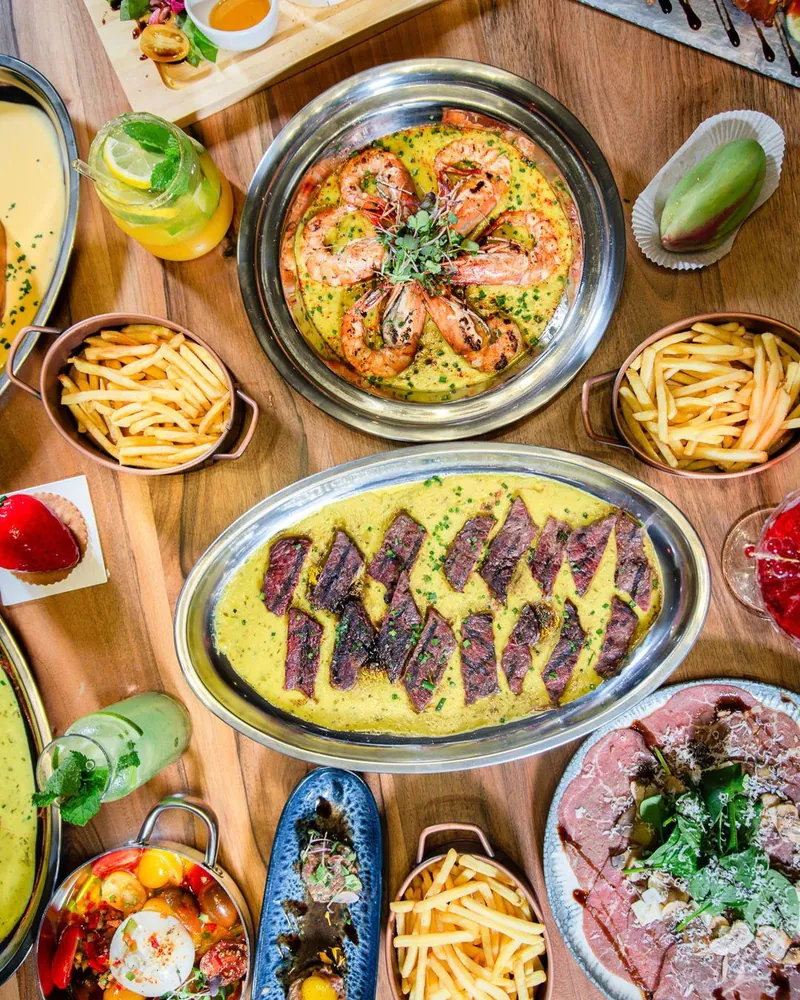
The essentials in thirty seconds
Choose a lean, tender, sinew-free cut such as rump heart or fillet, bought the same day. Keep it cold, chop it by knife into small dice, season just before serving and allow 150 to 180 g per person as a main. Never prepare it ahead.
The basics
What is
beef tartare?
Beef tartare is raw beef, finely cut and seasoned raw, a French brasserie classic.
It comes either ready-seasoned by the kitchen or plain, with condiments to mix at the table.
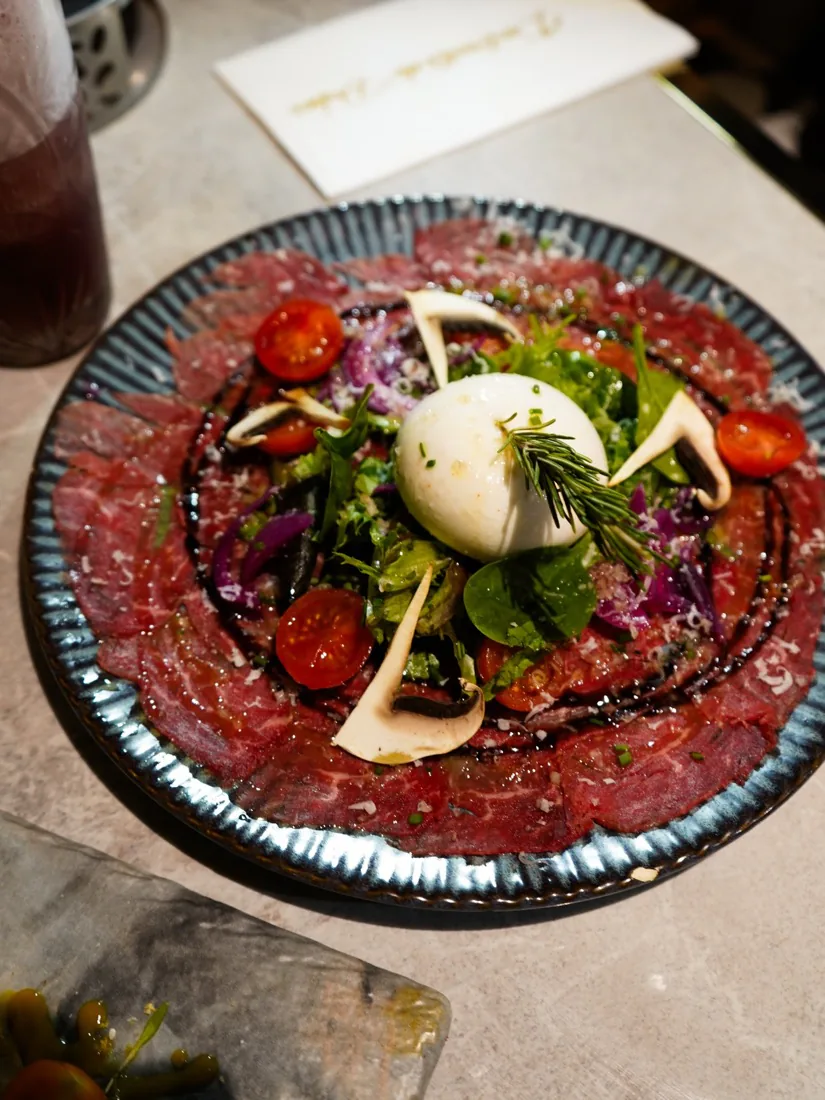
Carpaccio is sliced paper-thin and simply dressed; tartare is diced and bound by its condiments.
The raw material
Which cut of beef
for tartare?
With raw beef, nothing hides a poor choice.
Lean, tender cuts
Rump heart, fillet and topside are the references: lean, tender and free of sinew.
Avoid fatty or sinewy cuts
Raw fat stays waxy and connective tissue turns rubbery.
Aged or fresh beef?
Short, controlled ageing works; top-quality fresh beef is the safe choice.
Read What is aged beef?.
What to ask your butcher
Say it is for tartare, ask for a fully trimmed whole piece, and buy it the same day.
The decisive gesture
Knife
or mincer?
A mincer crushes the fibres; a knife keeps texture and bite.
- 01Chill the trimmed beef 15 to 20 minutes in the freezer.
- 02Slice into 3 to 4 mm strips, then sticks.
- 03Cut into small even dice and keep them on ice.
Non-negotiable rules
Hygiene and safety
Raw beef leaves no room for improvisation.
- Keep the cold chain unbroken.
- Buy the beef the same day and prepare it at the last minute.
- Work on a clean, cold surface with clean utensils.
Raw meat and eggs are not recommended for pregnant women, young children and vulnerable people.
Step by step
Classic
seasoning
The essentials
Egg yolk, shallot, capers, gherkins, parsley, mustard, Worcestershire, Tabasco, oil, salt and pepper.
Amounts and order
Emulsify mustard, yolk, oil and sauces first, add the chopped items, then the beef last.
Kitchen or table?
Either season it in the kitchen or serve it plain with condiments around.
Variations
Try oriental notes
Ideas to try at home: fresh coriander, toasted cumin, sumac, citrus zest or a hint of saffron.
The spice should support the beef, never cover it.
Serving
What to serve
with tartare?
Fries and a green salad, or toasted country bread.
Serve on a chilled plate, 150 to 180 g per person as a main.
See our homemade sides and starters and salads.
The pairing
Which wine
with tartare?
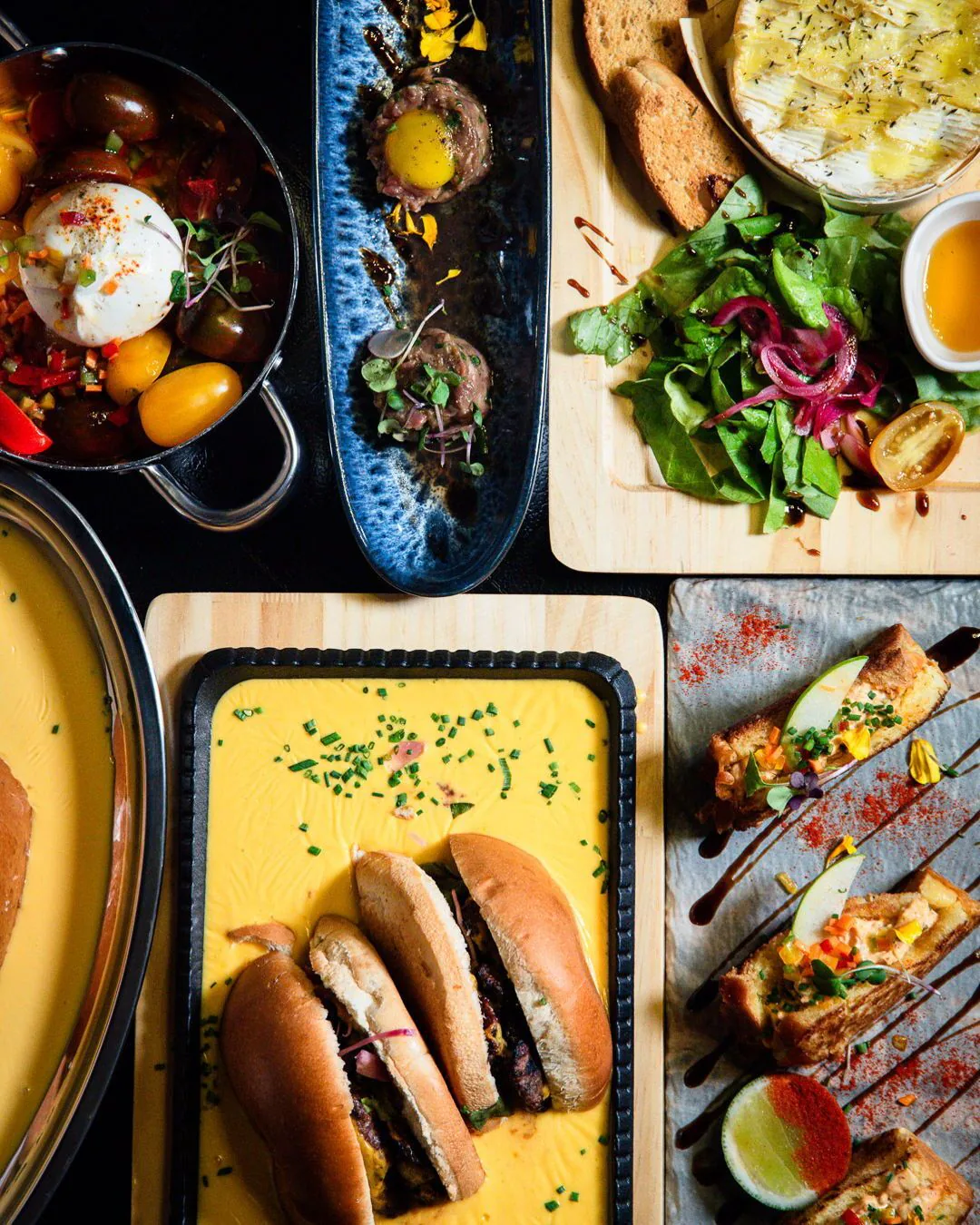
Light, fruity reds served cool, or a dry Provence rosé.
With spices, favour freshness over firm tannins.
Explore our Provence wines and Which wine with an entrecôte.
To avoid
The most common mistakes
Chopping ahead
Cut beef oxidises: cut it at serving time.
Over-seasoning
If you can no longer taste the beef, it has gone too far.
Serving it warm
Raw beef must arrive cold.
Wrong cut
Sinewy or fatty cuts turn rubbery raw.
At the table
Why not taste it
made by pros?
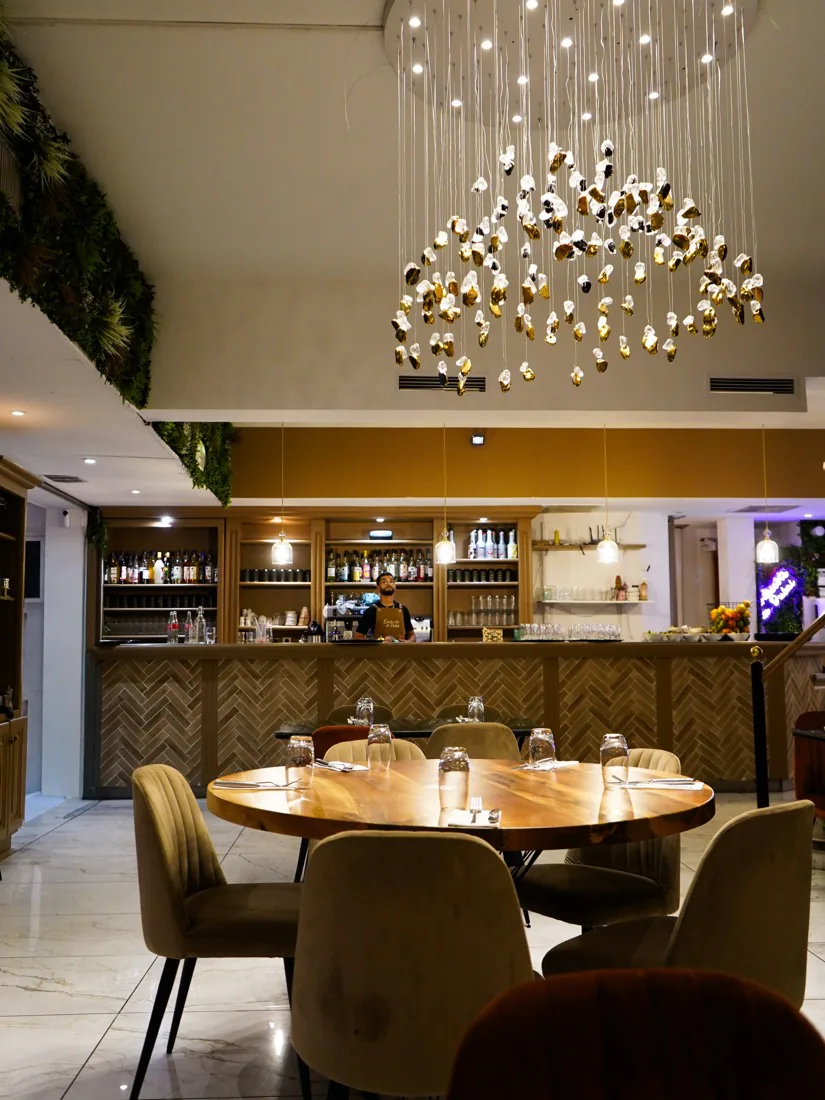
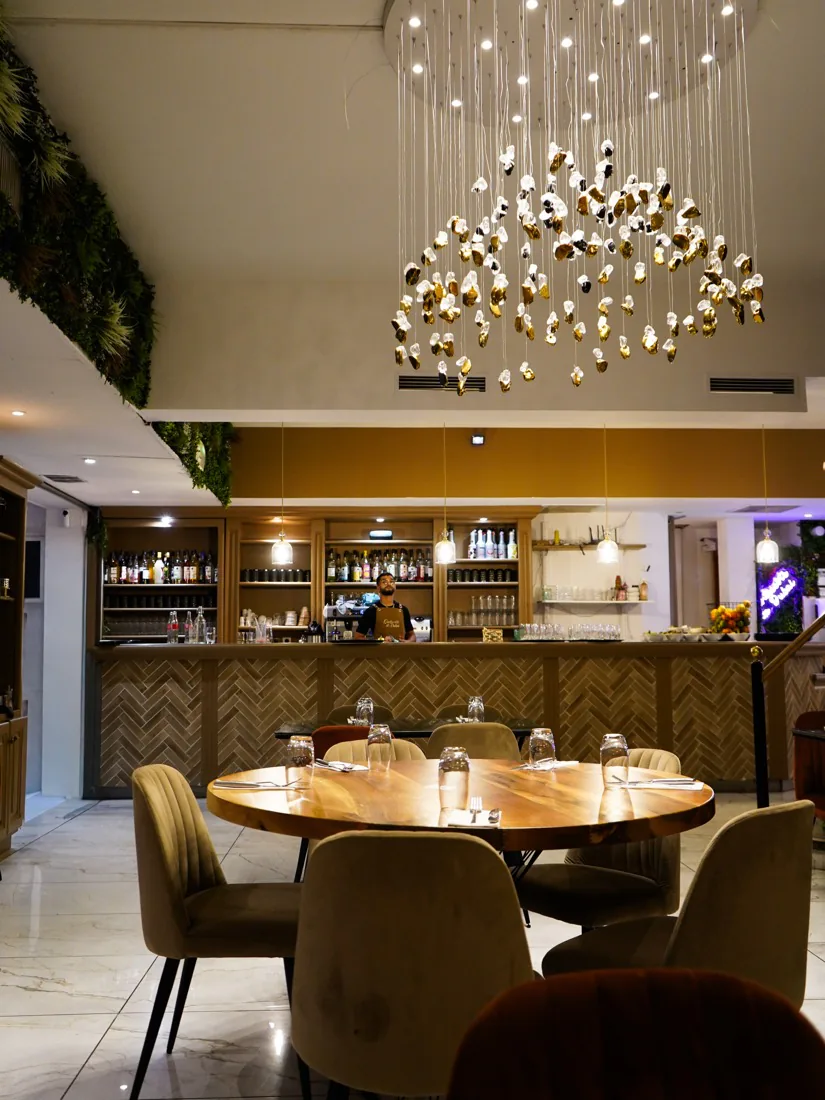
In Plan de Campagne, L'Entrecôte de Dubaï serves beef tartare on the menu, prepared to order, with a cellar of over 200 references.
Service until 1:00 a.m. every evening, free parking nearby.
Take the time to discover our beef tartare, or browse the full menu.
Frequently asked questions
Homemade tartare, in practice
Can you make beef tartare the day before?
No. Buy the beef the same day and cut it just before serving.
How much beef per person?
150 to 180 g as a main, 80 to 100 g as a starter.
Can you freeze the beef first?
A short spell in the freezer helps cutting; full freezing slightly dulls the texture.
Tartare or carpaccio: what is the difference?
Tartare is diced and bound; carpaccio is sliced paper-thin and simply dressed.
Should you add the whole egg?
No, only the yolk, very fresh and kept cold.
Go further
From theory to the plate: discover our tartare de bœuf, prepared to order in Plan de Campagne.
Tartare, without the kitchen work
Service until 1:00 a.m. every evening, over 200 wines and free parking nearby, in Plan de Campagne.
Booking info