
The journal — Beef tips
Which spices with red meat: the guide to revealing every cut
Salt, pepper, cumin, thyme, ras el hanout… Well seasoned, red meat gains depth without ever losing its beef flavour. Here is how to choose, dose and time your spices — from a quick steak to a fine cut to share.
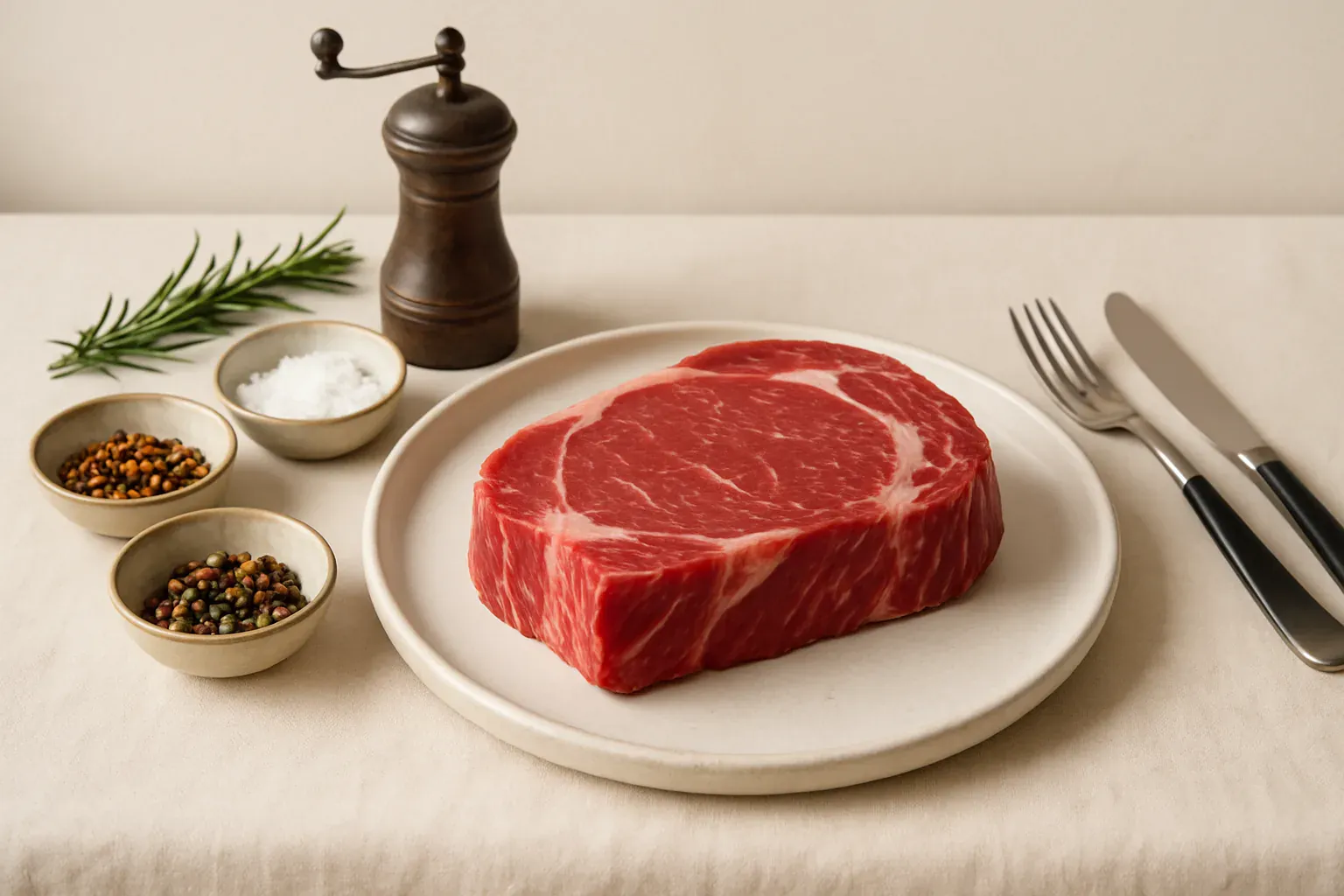
The essentials in thirty seconds
Start with the fundamental trio: quality salt, freshly ground pepper and garlic. Then add, to taste, warm oriental spices (cumin, smoked paprika, coriander, a touch of chilli) and robust herbs (thyme, rosemary, bay). Salt just before or just after cooking, keep ground spices for the last third of cooking so they don't burn, and always taste before adding more. The golden rule: spices reveal the meat, never mask it.
The principle
Reveal the meat,
never mask it
Quality red meat already has a frank, generous flavour. The role of spices is not to cover it but to support it — to underline the grilled crust and add just enough warmth or freshness for relief. The right spice is barely noticed; it keeps the beef centre stage.
That is why restraint beats abundance. Three well-chosen spices, carefully dosed, beat a pile of clashing flavours. On a fine cut, start with the bare essentials — salt and pepper — then add an aromatic touch. Taste, adjust, never force.
The fundamentals
The essential base trio
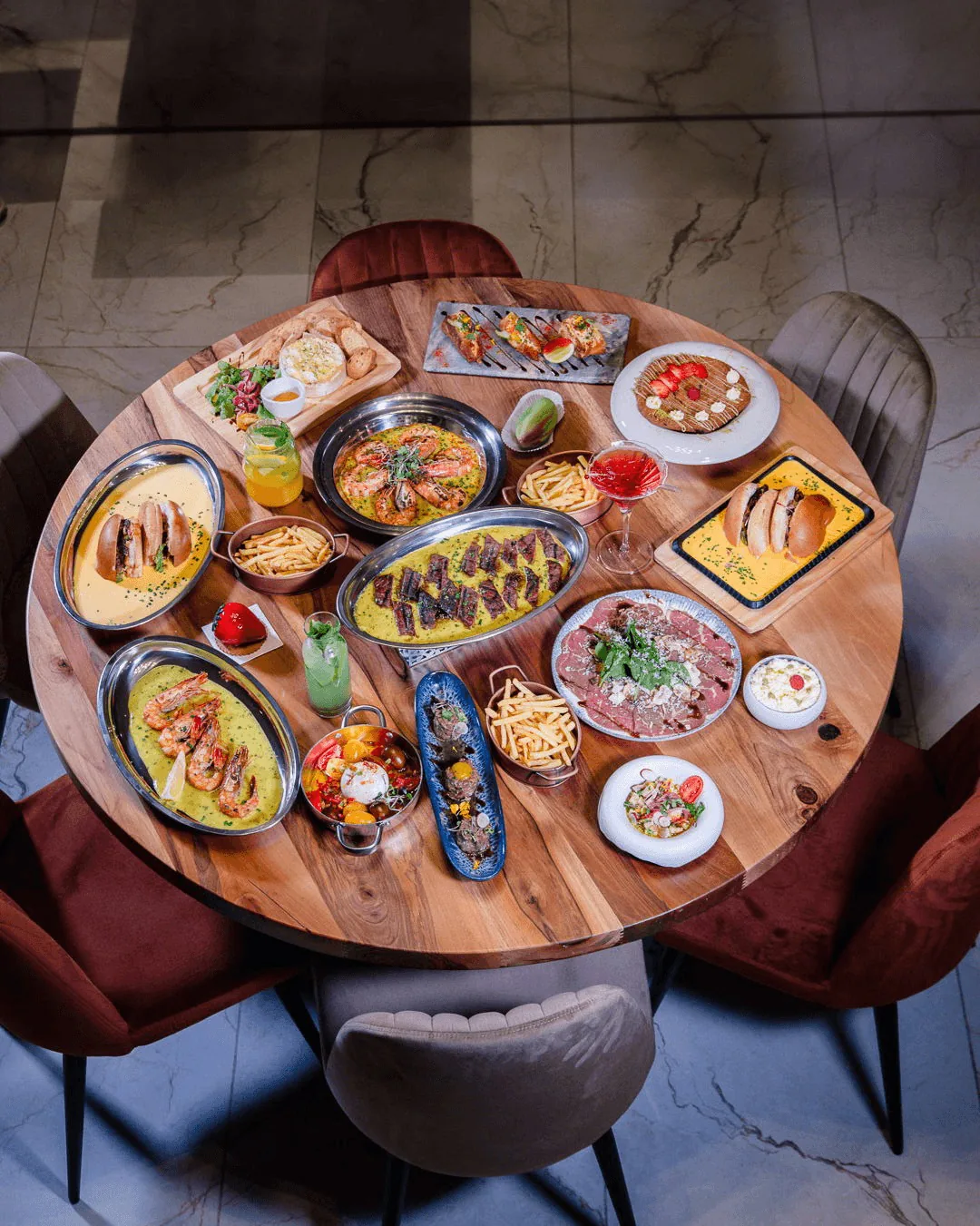
Before any exotic spice, three allies enhance almost any red meat. They carry the structure of flavour; everything else builds on them.
Salt first — ideally a textured salt that draws out flavour and helps the crust form. Then pepper, always freshly ground for its lively aroma. Finally garlic — in the pan, rubbed on, or in a butter — for that warm French roundness. Master this trio and you already hold 80% of the result.
The oriental soul
Warm spices
This is where red meat takes on its oriental accent: warmth, colour and depth, without ever distorting the beef.
Cumin
The queen spice of oriental red meat: warm, earthy, slightly lemony. A pinch on a steak or beef skewer instantly wakes the cut. Use with restraint — its character is strong.
Smoked paprika
Deep colour and a smoky note that extends the grilled taste. Sweet paprika colours and softens, smoked adds body. Ideal in a dry rub.
Coriander & chilli
Coriander seeds, warm and lightly sweet, round out blends. A pinch of chilli lifts the whole and brings out the fat. Two touches to handle with care.
The garden
Aromatic
herbs
Against warm spices, herbs bring freshness and perfume. For red meat, favour robust herbs that hold up to cooking: thyme, rosemary and bay. A sprig tossed into the pan at the end, with butter and garlic, perfumes the meat through aromatic steam.
Fresh chopped herbs — flat parsley, chives, a little mint for an oriental touch — go on at the very end. Rosemary, very powerful, needs a light hand; thyme and bay are more discreet. Dried herbs infuse during cooking, fresh ones wake the plate at the last moment.
The signatures
Blends that
hit the mark
Some spice blends have been made for meat for centuries. Used well, they condense a whole cuisine's balance into a spoonful — practical, consistent and wonderfully fragrant.
- 01Ras el hanout: the great oriental signature, a warm, complex blend of many spices — superb on a beef skewer or tagine.
- 02Chimichurri: a fresh herb sauce (parsley, garlic, oregano, vinegar, oil) that pairs beautifully with a grilled steak.
- 03Steak blend: salt, pepper, garlic, paprika — a dry rub built for the crust of large seared cuts.
- 04Za'atar: thyme, sumac, sesame — a tangy, herby touch of freshness on already-cooked meat.
The timing
When to salt and spice
The best seasoning can be spoilt by bad timing. For salt, two schools work: salt just before searing for an immediate crust, or salt generously forty minutes ahead so it penetrates. Avoid salting a few minutes before — the salt draws out water without time to reabsorb, and the meat struggles to brown.
Ground spices need care: placed too early on high heat they burn and turn bitter. Keep them for the last third of cooking, add them to a marinade, or sprinkle them during the rest. Pepper follows the same logic — ground at the last moment. And never skip the rest: that is when flavours diffuse.
Two techniques
Marinade or dry rub
Two ways to work spices into meat. They aim for different results; the right choice depends on the cut and your time.
The marinade
Spices, herbs, oil and an acid (lemon, yoghurt, vinegar) in which the meat rests from thirty minutes to a few hours. It perfumes deeply and tenderises skewers and slow-cook cuts — not a fine steak you want to taste plain.
The dry rub
A mix of dry spices rubbed onto the meat before cooking. It forms an intense aromatic crust on large seared or grilled cuts, with no moisture to hinder colouring. The steakhouse method for a rib or rib-eye.
The right match
Matching spice
to cut
Not every red meat calls for the same seasoning. To each cut its favourite spice.
To avoid
Mistakes to drop
- Over-spicing a fine cut: excess flavour covers the beef instead of serving it. Restraint almost always wins.
- Putting ground spices on high heat from the start: they burn and turn bitter. Keep them for the last third or the rest.
- Salting just a few minutes before cooking: the worst moment. Salt just before searing or well ahead.
- Using pepper ground months ago: it has lost its aroma. A grinder and a few seconds change everything.
- Drowning meat in an acidic marinade too long: it 'cooks' chemically and turns mealy. Respect the times.
At our place
At our
table
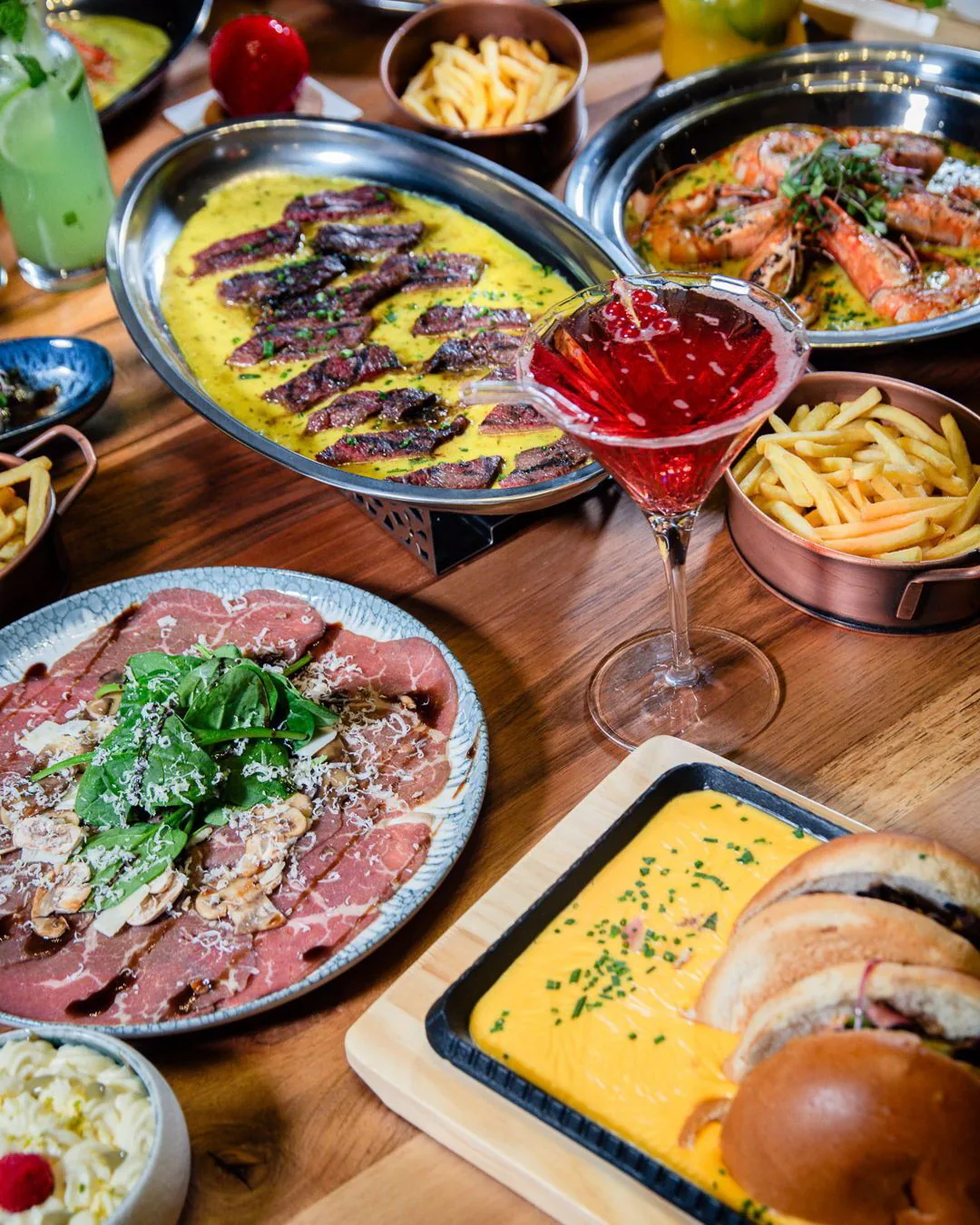
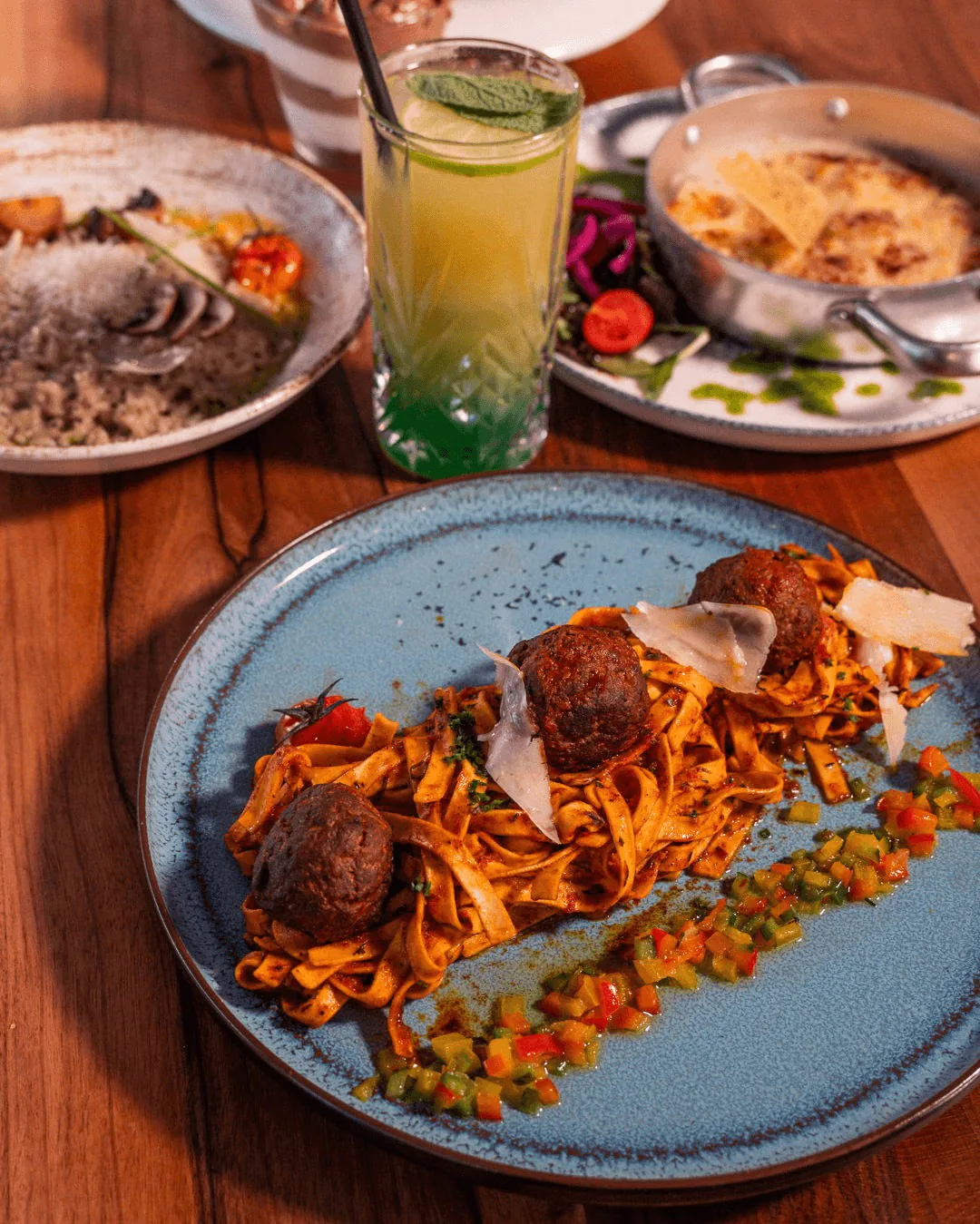
At L'Entrecôte de Dubaï, this balance between French know-how and an oriental accent is at the heart of our kitchen. Our meats are seasoned to let the cut speak — a fair hand, a frank crust, a touch of warm spice where it makes sense. Never to mask, always to reveal.
And because well-spiced meat calls for the right drink, our sommelier guides you through a cellar of over 200 references to find the pairing that extends the warmth of the spices. That is where the theory finally makes sense: at the table.
Discover the wine cellarPour explorer la cuisine de L'Entrecôte de Dubai dans toute sa générosité, commencez par nos entrées aux accents orientaux : des assiettes qui posent dès la mise en bouche les bases aromatiques du repas.
Frequently asked
Spices and meat, in practice
Which spices pair best with red meat?
The base trio is salt, freshly ground pepper and garlic. For an oriental accent, add cumin, smoked paprika, coriander and a touch of chilli. For herbs, thyme, rosemary and bay hold up perfectly to cooking.
Should you salt meat before or after cooking?
Salt either just before searing, for an immediate crust, or well ahead (about forty minutes) so it penetrates. Avoid salting a few minutes before: the salt draws out water and prevents browning.
Why do my spices turn bitter when cooking?
Ground spices burn on high heat if placed too early. Keep them for the last third of cooking, add them to a marinade, or sprinkle them during the rest.
Which oriental spice blend for beef?
Ras el hanout is the great signature: warm and complex, it elevates skewers and braised dishes. Za'atar adds a tangy note on cooked meat, and a simple cumin-paprika-garlic mix dresses a grilled steak well.
Marinade or dry rub for a steak?
For a fine steak you want to taste, prefer a dry rub: it forms an aromatic crust with no moisture. Marinades suit skewers and slow-cook cuts better, perfuming them deeply.
Can you spice quality meat without masking its flavour?
Yes, that is the goal. Stay restrained: a few well-chosen, carefully dosed spices underline the beef flavour rather than covering it. Always taste before adding more.
Read on
Find all our practical guides, pairings and steakhouse know-how in our conseils viande et vin.
Keep exploring
Fancy a fine, well-seasoned steak?
Meat seasoned with a fair hand, an oriental accent and French know-how, a cellar of over 200 references and service until 1 a.m., in Plan de Campagne.