
The journal — Food & wine pairing
Which wine with a rib-eye steak
A great steak deserves a great wine — but which one? Here is how we think about pairing a rib-eye with its bottle, from the role of tannins to grapes, doneness, sauce and serving temperature.
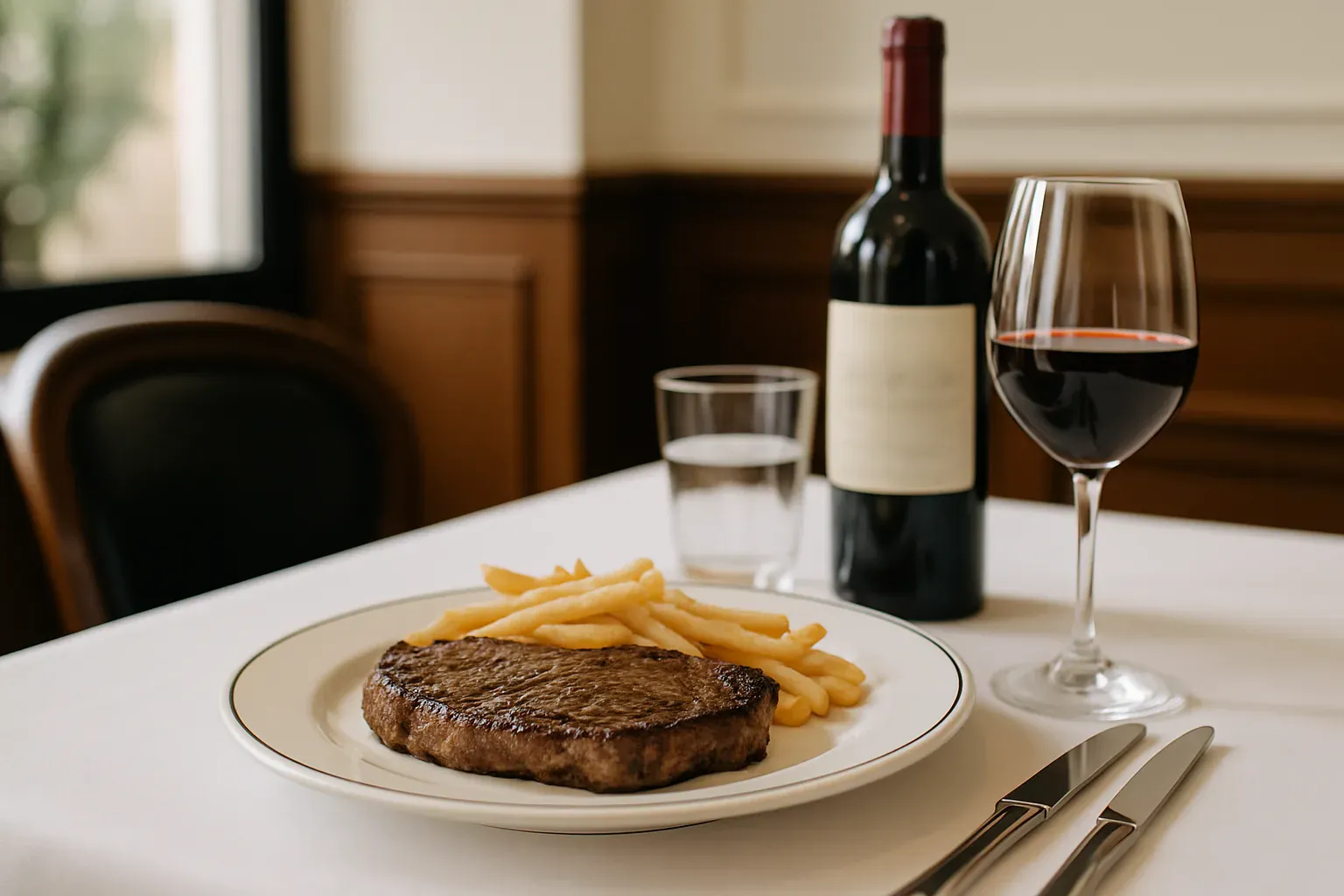
The essentials in thirty seconds
With a rib-eye, look for a full-bodied red whose tannins stand up to the fat: tannins cleanse the palate between bites. Safe bets are cabernet sauvignon, syrah, malbec or a structured Bordeaux. The rarer the steak, the bolder the wine; the stronger the sauce, the more spiced and round the wine should be. Serve the red at 16-18 °C. A rib-eye also pairs beautifully with a well-made alcohol-free option.
The principle
Why the pairing
really matters
A rib-eye is a rich, marbled cut whose fat coats the palate. A poorly chosen wine gets crushed; the right one reveals the meat as much as it reveals itself.
The idea is simple: balance of forces. A powerful dish calls for a powerful wine. The rib-eye being rich, it needs a red with character — everything else is a variation on that.
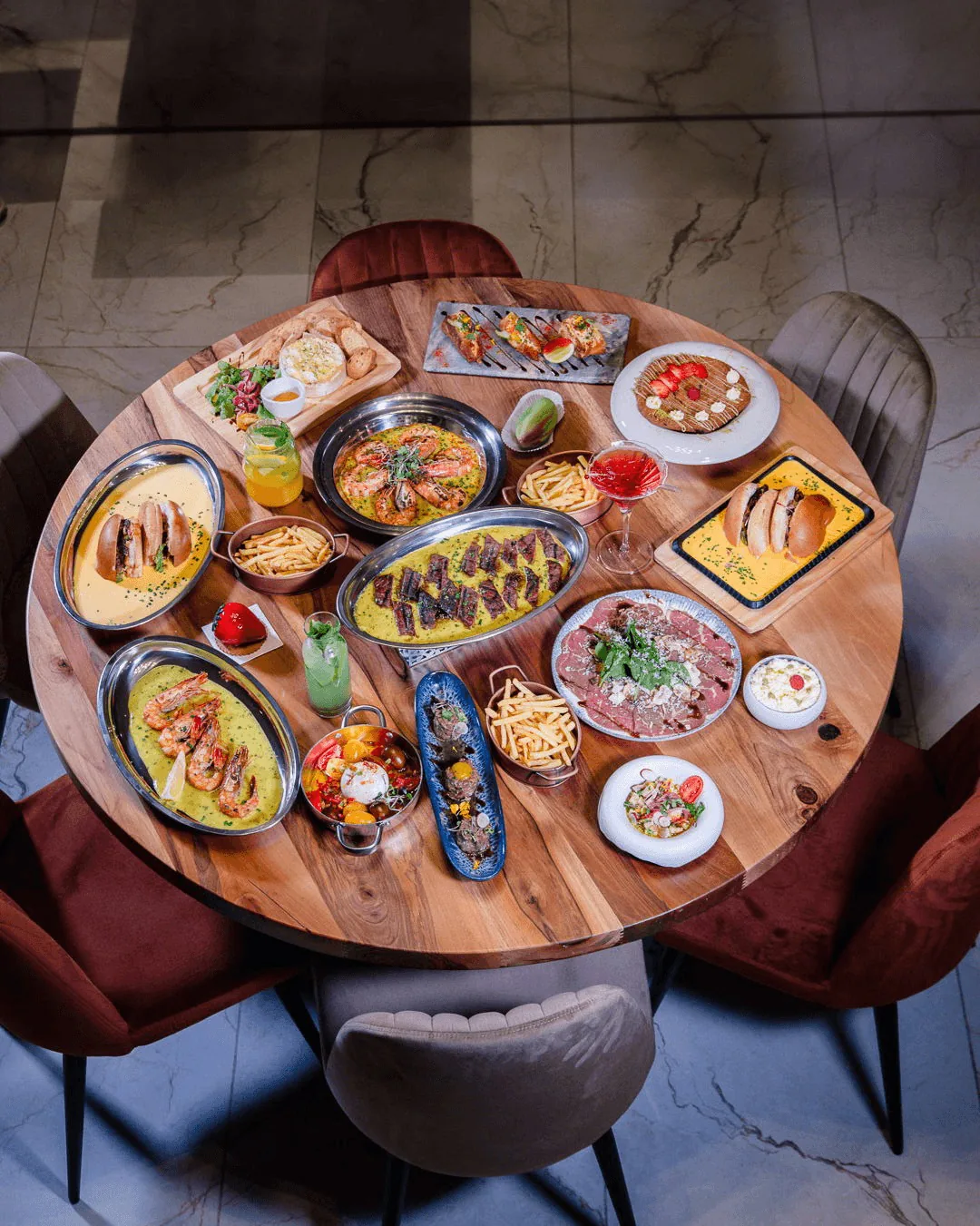
The science of taste
Tannin,
the key to it
If one word should guide your choice, it is tannin. These natural grape compounds bind to the meat's fats and proteins, degreasing the palate for the next bite.
That is why a tannic red and a rib-eye pair so obviously: the fat softens the tannins, the tannins lighten the fat. Each corrects the other's excess.
Safe bets
The great reds for a rib-eye
Several grapes tick every box. Three families of reds that rarely disappoint on a fine cut of beef.
Cabernet & Bordeaux
The classic. Firm tannins, cassis and cedar notes: a structured Bordeaux frames the fat with authority.
Syrah & Rhône
More peppery and spiced, with ripe black fruit — a fine match for a rib-eye with oriental accents.
Malbec & generous reds
Round, fleshy and supple, malbec is the meat-lover's companion — a crowd-pleaser for a casual dinner.
The doneness
Doneness
changes the pairing
The same cut doesn't call for the same wine at every doneness. A rare rib-eye keeps a juicy core and welcomes a young, powerful, still-vigorous wine.
A medium or well-done steak concentrates grilled aromas; a rounder, slightly aged wine with softer tannins suits it better. Rule of thumb: the redder the core, the younger and bolder the wine.
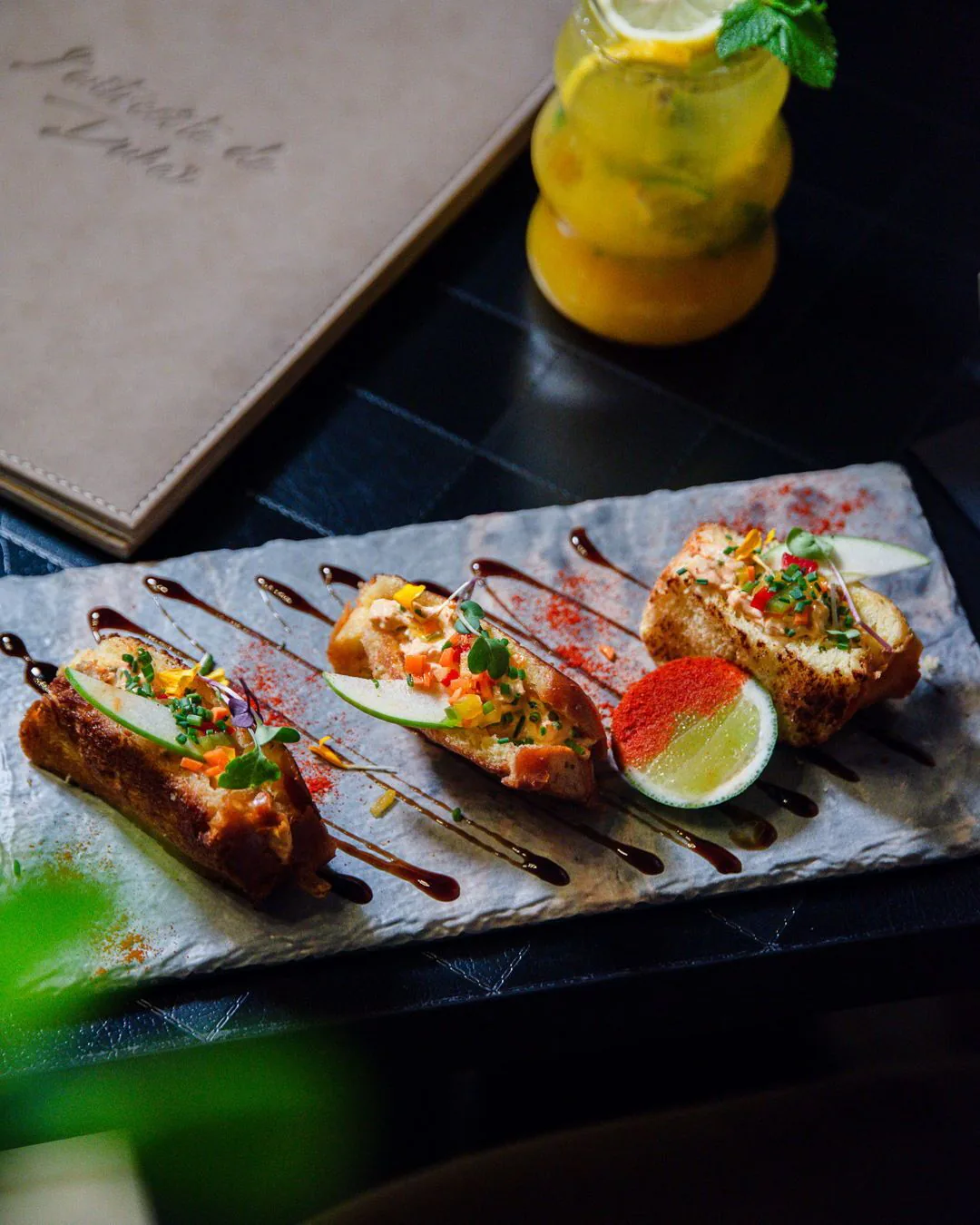
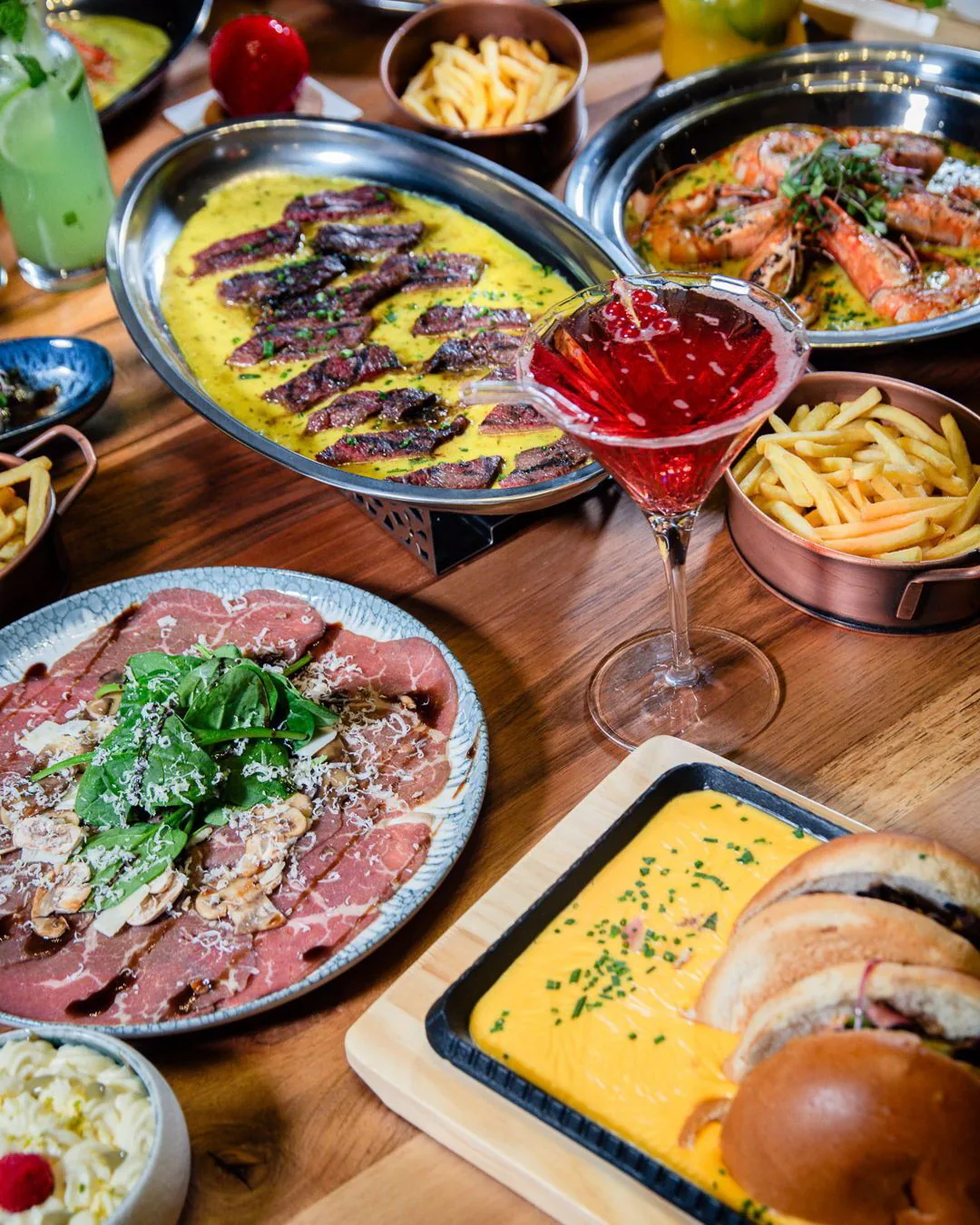
The whole plate
The sauce
leads the dance
The wine pairs with the whole plate. A bold sauce shifts the balance as much as the cut itself.
- Plain or herb butter: let the meat speak, a clean structured red shines.
- Pepper sauce: a spiced syrah or Rhône red that extends the pepper's heat.
- Oriental accents, mild spices: a fruity, round red that wraps the spice.
- Cheesy side (blue cheese, gratin): a broad, almost suave wine with ripe tannins.
The local terroir
Provence & the South:
the local match
We are in Plan de Campagne, near Marseille and Aix: a regional pairing is often excellent. Sun-fuelled reds from Provence and the Rhône — Bandol, Châteauneuf-du-Pape — bring garrigue to the glass.
These wines also tell a place and a light. It is our sommelier's playground, drawing from a cellar of over 200 references to reveal your steak rather than cover it.
Discover our Provence wines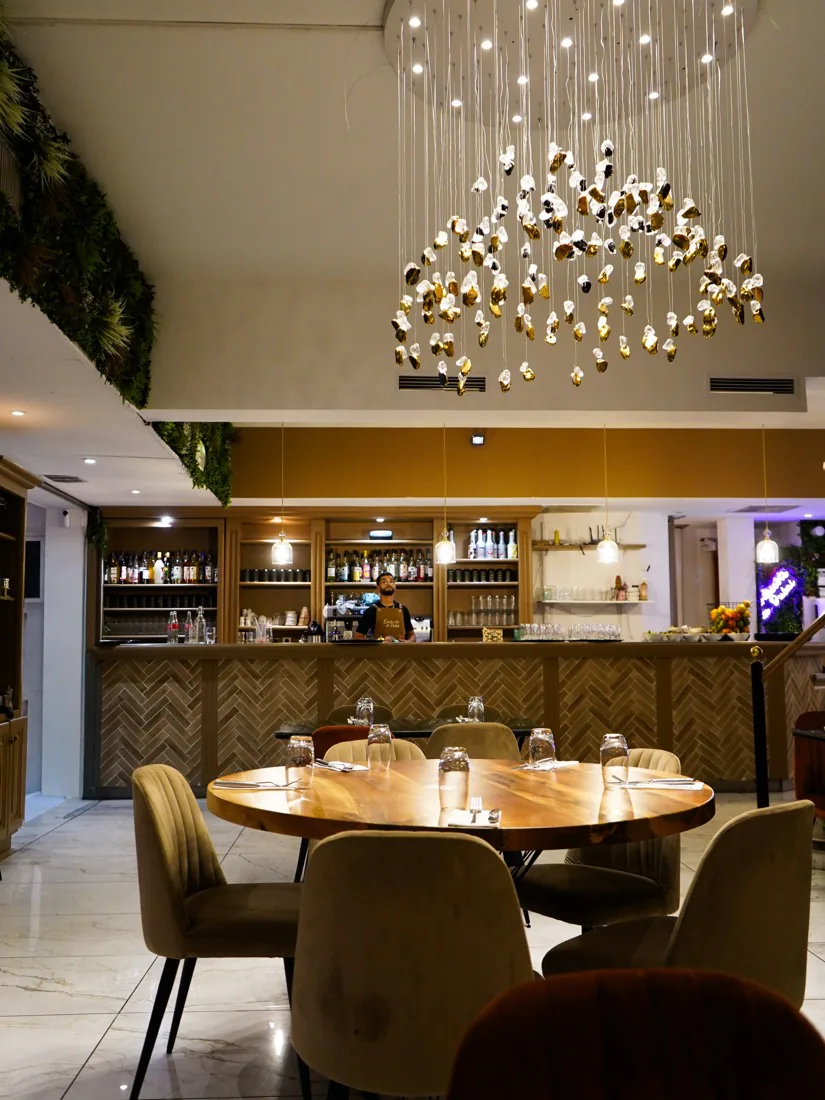
The right touch
Serving the wine right
The best pairing can be spoiled by one detail of service. Three markers to honour the bottle.
The right temperature for a full-bodied red. Too warm, the alcohol shows and tannins harden; too cold, aromas close up.
A young tannic red benefits from 30 to 60 minutes of decanting: oxygen softens the tannins.
A wide glass lets the wine breathe. Fill it only a third to swirl it freely.
A matter of moment
Suit the wine to the occasion
There is no single best wine on a rib-eye, only the right one for the moment. A weeknight dinner is happy with a frank, generous red; a celebration invites a more prestigious bottle.
What matters is never the label but the coherence with what you live at the table. A sincere, well-served wine on a fine steak beats a thousand complicated pairings.
To avoid
Pairing mistakes not to make
- Serving a light white or thin rosé that can't stand up to the fat.
- Choosing a red with no tannic structure: it goes flat on a rib-eye.
- Serving the wine too warm, at 20 °C or more.
- Opening a very young tannic red without decanting it.
- Letting a bold sauce dominate without adapting the wine.
- Confusing power with quality: an over-oaked wine can mask the meat.
The alternative
Alcohol-free?
A real pairing
Skipping alcohol doesn't mean plain water. The same principles apply: structure, bitterness or acidity to cut the fat. A bold grape juice, a tannic kombucha, a hibiscus infusion or a spiced mocktail all do the job.
Here, mocktails and fresh juices sit on the menu alongside the great reds: a considered pairing meant to reveal the rib-eye, no hierarchy.
Frequently asked
Rib-eye & wine pairing, in practice
What is the best wine with a rib-eye steak?
A full-bodied red with present tannins: cabernet sauvignon, structured Bordeaux, Rhône syrah or malbec. Their structure degreases the palate between bites and stands up to the fat.
Can you drink white wine with a rib-eye?
It isn't the most natural match, but a powerful oaked white can work on a gentle doneness. As a rule, a tannic red is far more at ease with a rib-eye's fat.
At what temperature should red wine be served with red meat?
Between 16 and 18 °C. Too warm (20 °C+), the alcohol dominates and tannins harden; too cold, the aromas close. A young tannic red also benefits from 30 to 60 minutes of decanting.
Should the wine change with the doneness of the steak?
Yes. The rarer the meat, the more it welcomes a young, powerful wine. A medium or well-done steak pairs better with a rounder, slightly aged red with softer tannins.
Which wine with a rib-eye served in pepper sauce?
A spiced wine that extends the pepper's heat: a syrah or a Rhône red. The sauce shifts the pairing as much as the cut itself.
Is there an alcohol-free pairing with a rib-eye?
Yes. A bold grape juice, a tannic kombucha, a hibiscus infusion or a spiced-and-citrus mocktail offer the structure and bitterness needed to cut through the fat.
Read on
Find all our practical guides, pairings and steakhouse know-how in our conseils viande et vin.
Also explore nos accords à table to refine each pairing by dish.
The pairing is lived at the table
Aged rib-eye, a cellar of over 200 references and a sommelier to guide you: book your table in Plan de Campagne, service until 1 a.m.